


Foot Pain Treatment St Augustine: A Guide

Foot pain treatment St Augustine works better when the cause is clear first. A sharp step under the heel is not the same as a burning feeling in the toes. An ache along the arch is different again, even when all three make walking hard. MedlinePlus groups foot trouble across bones, joints, tendons, and nerves, which is why one stretch or one insert rarely fits every person.
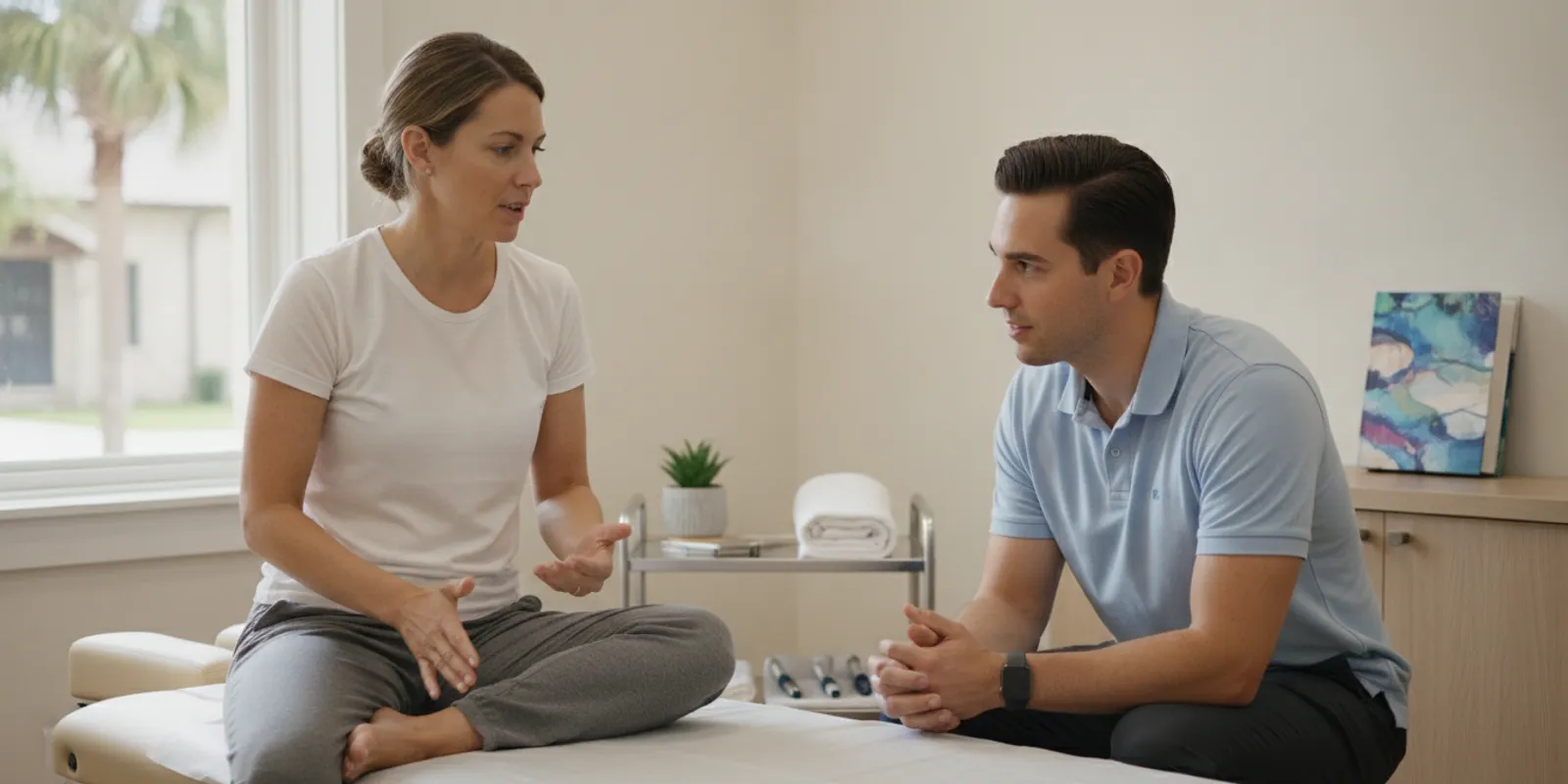
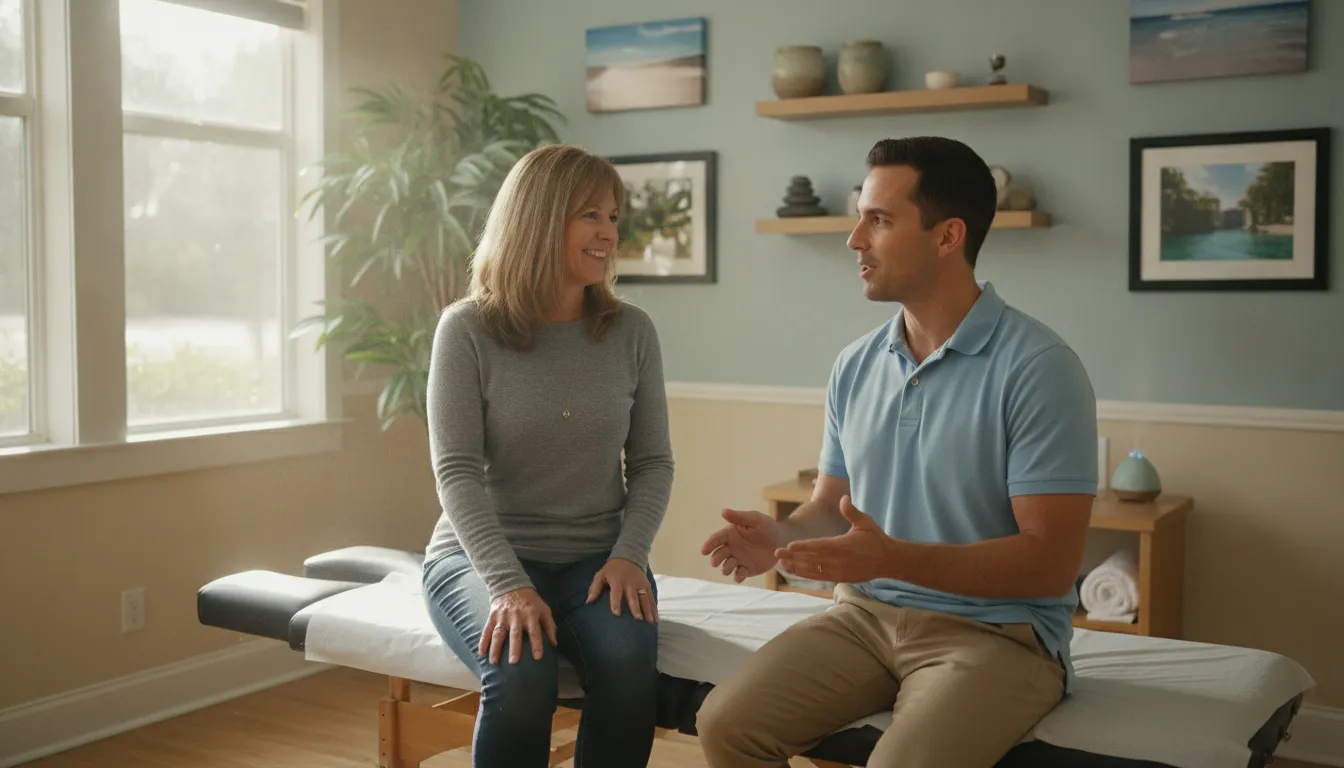
At Evolve Chiropractic & Wellness Co., care is in person at one office, 35 Summerlin Lane, Ste. 107. Dr. Haley sees new patients on day one. The visit is a conversation about your health goals, an exam, and a plan that is explained the next day. Treatment, if it is appropriate, comes after that look, not before it.
What foot pain treatment St Augustine should sort first
People near St. Augustine, Ponte Vedra, Nocatee, and Palencia often search for a local clinic after weeks of guessing. The useful first step is a pattern, not a product name. Where does it hurt, when does it start, and what else travels with it? A short written note beats a vague memory once you are in the room.
Write down a few details before you come in. Keep the list simple, and use your own words rather than a diagnosis you found online.
The spot: heel, arch, ball of the foot, toes, or the ankle side.
The timing: first steps, after a long shift, only in shoes, or also at rest.
The feel: sharp, stiff, burning, numb, or a deep ache.
The company it keeps: back pain, calf tightness, swelling, or a recent sprain.
Those notes change the exam. Morning heel pain that eases after you walk a bit often points toward the plantar fascia. Burning or numbness in both feet can point toward a nerve problem, including changes related to blood sugar. Swelling after a twist is a different story again. None of those guesses replaces an exam.
Shoes and daily load belong in the same notes. A new pair, a job that keeps you on concrete, or a sudden jump in walking can irritate tissue that was already tight. So can a change in how you stand after a knee, hip, or back flare. Bring the shoes you wear most. They often explain more than a short description of the pain.
Evolve looks at foot pain through the same three lenses used on other visits: structural, neurological, and metabolic. Alignment and how you stand matter. So does nerve function. Inflammation, stress, and blood sugar can slow recovery even when the sore spot is in the foot. That is a clinic framing, not a promise that one visit finds a single root cause.
Why the same sore foot can need different care
Two neighbors can both say "my foot hurts" and need different next steps. The American Academy of Orthopaedic Surgeons describes plantar fasciitis as irritation of the tissue band under the foot, often with pain on the first steps of the day. That pattern has its own page on our site. If your pain matches that picture, start with the plantar fasciitis care overview rather than treating every foot complaint as fascia pain.
Other patterns show up just as often. Each one can share a sidewalk with plantar fascia pain and still need a different plan.
Arch or midfoot ache after long hours on hard floors.
Pain at the ball of the foot in narrow shoes.
Stiffness that follows a change in walking, running, or standing work.
Burning, tingling, or numb toes that may be a nerve complaint, not a joint one.
Heel or tendon soreness that also involves the calf.
A nerve pattern deserves its own conversation. The National Institute of Diabetes and Digestive and Kidney Diseases explains that high blood sugar over time can damage nerves in the feet, with numbness, tingling, or pain. That is one cause among several. It is not something a clinic should rename as a simple alignment issue. If that description sounds familiar, our neuropathy care page is the closer match, and a medical evaluation still matters.
Pain that follows a fall, brings rapid swelling, or keeps you from putting weight on the foot needs a prompt medical look. A hot, red foot, a wound that is not healing, or numbness that arrives with weakness also belongs with a physician first. Chiropractic care is not a substitute for urgent injury care, infection checks, or a diagnosis only a physician can make.
Age and goals matter too. Many of the adults we see want more than a quick adjustment. They want to understand the complaint and keep walking, working, and staying active. A plan built around that goal can look modest. It can also take more than one kind of care. Either way, the explanation should come before a long list of treatments.
Conservative options a visit may consider
Once the pattern is clearer, conservative care is a menu, not a bundle. Nothing on this list is automatic, and nothing here is a cure. Dr. Haley may combine approaches when they fit the findings. He may also say a modality is not a match.
Option | When it may come up | What it is not |
Exam and adjustment, if appropriate. | Posture or gait may load the foot. | Not a promise to avoid surgery. |
Stretching and movement advice. | Daily habits keep the same spot sore. | Not a substitute for an exam. |
Soft-tissue work or cold laser. | Local tissue irritation is part of the case. | Not an automatic add-on. |
Shockwave therapy. | Heel or tendon overuse fits the findings. | Not a published success rate. |
A wider nerve or metabolic look. | Burning or numbness shows up too. | Not a diabetes diagnosis. |
Chiropractic care at the office starts with history and a focused exam. The foot does not work alone. How the ankle, knee, hip, and low back share load can keep a sore spot irritated even after the foot itself calms down. Spinal X-rays are used when they are necessary, not for every person who walks in with a sore heel. An adjustment or first treatment happens only if it is appropriate that day.
Shockwave therapy is a separate acoustic-wave option for some heel, tendon, and overuse complaints. It does not use injections or anesthesia. It can sit beside an adjustment when the case calls for both. It is not the default plan for every kind of foot pain, and we do not publish a success percentage for it. If the main issue is nerve pain rather than tendon or fascia irritation, shockwave may not be the tool we discuss.
Infrared light, cold laser, and soft-tissue work are possible tools on some foot-related visits. Guided stretching is another. These are ways to calm a local spot or change how you load it. They are not a package you are sold up front, and they are not a promise on day one. Home advice, when we give it, is specific to what the exam showed.
Personal injury care is a separate line for crash-related complaints. It is not the same as a general foot-pain visit, and it is not a promise that an auto claim or any other coverage pays the bill. If your pain started after a crash, say so when you book so the visit is set up the right way.
What the first visit looks like
New patients book through the self-scheduler. A staff member follows up, often the owner. The aim is a booked visit, not an online checkout. Care is in the office. People who live about an hour and a half away sometimes find a plan hard to keep. Because follow-up visits are often twice a week when a plan is recommended.
A first visit usually follows this order. The steps can shift if something in the history needs a physician first.
You review health history, current symptoms, and what you want to get back to.
The exam looks at the spine, posture, and how you move, with the foot complaint in that picture.
Necessary spinal X-rays and a metabolic check may be part of the visit. Foot X-rays are considered only in some cases, such as when a heel spur is in question.
If appropriate, you may receive an adjustment or another first treatment.
A later visit explains the findings and the plan in plain language.
The practice is cash-only, with financing options for people who can invest in care. We do not publish plan prices here. Ongoing cost depends on what the exam shows, and it is discussed after that conversation. We also do not frame any visit as free. Payment questions are easier to answer once we know whether the complaint is a short local problem or something that needs a wider plan.
You should leave the explanation visit knowing three things. You should know what we think is contributing. You should know what we are not treating. And you should know what the next few visits would actually include. If chiropractic care is a poor fit, that is part of an honest plan too. Feeling listened to matters as much as the modality list.
Bring a short list of medicines, past foot injuries, and any nerve symptoms you already know about. You do not need a perfect medical history. A clear timeline helps more. Tell us if the pain is in one foot or both, and whether it changes with shoes, rest, or a long day on your feet.
People who drive in from Ponte Vedra, Nocatee, or Palencia are still coming to this one St. Augustine office. There is no second location and no virtual visit for this kind of exam. If a plan calls for visits about twice a week, distance is part of the fit conversation. We would rather say that early than build a plan you cannot keep.
Foot pain treatment St Augustine, in this office, stays conservative and personal. We explain options in plain language. We do not promise that a disc will change, that you will skip surgery, or that one modality fixes every cause. The goal is a plan you understand, aimed at how you want to move.
Read the practical details on the new patients page. You can also call the office directly with questions about scheduling.
Call (904) 712-3667 if you want to ask whether a foot-pain visit is the right next step before you book. You can also use the contact page.
FAQ: questions people ask before they book
Do I need a foot diagnosis before I schedule?
No. Bring the pattern you notice: where it hurts, when it starts, and what else you feel. The visit is how we decide whether chiropractic care is a fit. If the story sounds like an urgent injury or a medical nerve problem, we will say so.
Is every kind of foot pain treated the same way?
No. Heel pain with first morning steps, burning in the toes, and an ache after a long day can lead to different plans. Plantar fascia pain has its own page. This guide is only the overview.
Will I get shockwave, laser, or an adjustment on day one?
Not automatically. Day one is history, exam, and any necessary imaging or metabolic check. Treatment happens if it is appropriate. Later visits cover what was found and what a plan could include.
Can foot pain come from the back or from nerves?
It can. Some people feel foot symptoms along with back or leg discomfort. Others notice burning or numbness that fits a nerve pattern. Both need an exam. Neither one means a single treatment will fix it.
Who is this visit for?
Adults in St. Augustine and nearby Northeast Florida who want a careful look and a plan built around their goals. Care is personalized and in person. It is not a quick online product, and it is not a promise of a specific result.



Comments